
BIG BLOCK
  • Services
  • Work
  • ART
  • Sound
  • About
  • Awards
  • Contact/FAQs

How to Transition from Open Mics to Headlining Gigs: A Guide for Musicians Who Want to Start Making Money With Cover Gigs

5/8/2023

 
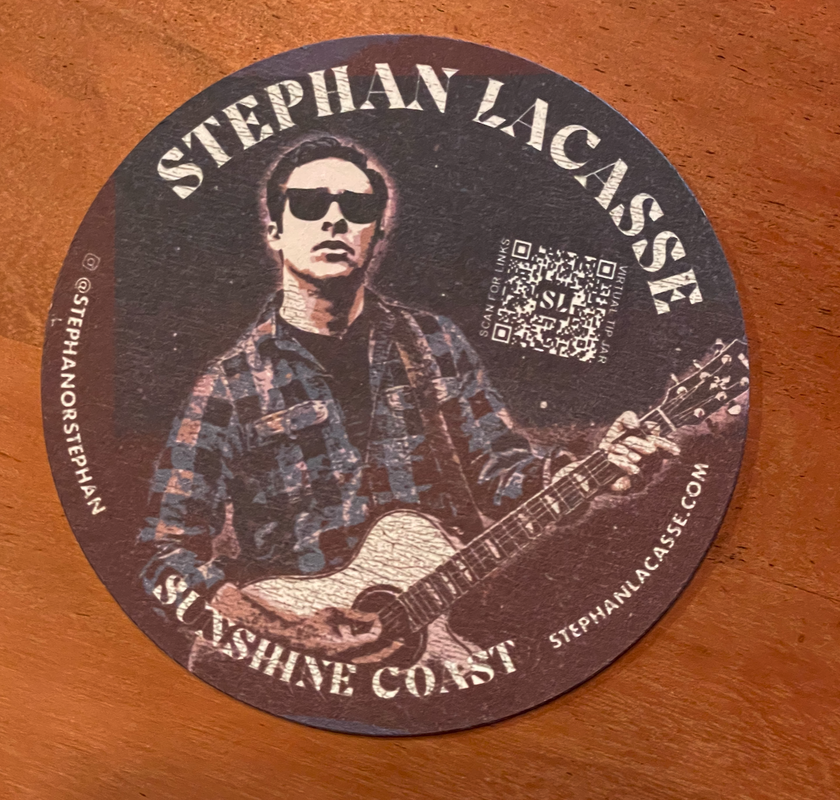
PictureWhy do cards when you can do coasters!
This one is a long one. I got started and just couldn't stop! I guess I have a lot to say on the topic. As an experienced cover-musician, wedding singer, cafe-crooner, busker, wandering troubadour, corner-strummer, who has played numerous cover gigs at local bars, breweries, restaurants, weddings and private parties, I've had the opportunity to learn what works best in these settings. Recently, a fellow musician approached me for advice on transitioning from open mics to headlining all-night gigs. In response, I've compiled a list of tips (in not particular order) and suggestions that can help any aspiring cover act to make the leap. Like an iceberg, what you see during the performance is just a glimpse of what it takes to set up your act for recurring bookings and ongoing success as a cover act. There’s a few different pillars to prepare here: Booking/Marketing, Administration/Preparation and Engagement/Execution. By the way, there are some links in here. Some of the links are referral links, but I'd never endorse anything I didn't use or genuinely advocate. Here are 38 of my top tips. Let me know if I missed anything.

  1. Make a Video: Having a relatively high-quality video of your performances is essential for marketing yourself, and booking gigs. Showcase your talent, sound, and stage presence in a way that will entice venue owners to book you. Keep it short, under 3 mins, and have your songlist accessible. If you’re not confident in your video-making skills, your best approach here is to hire a local videographer. Show yourself playing live, and make sure the sound is great. Look great, sound great. By the way, we here at Big Block offer editing services. Reach out to us and we can do a quick consultation. Now that the self-promo is out of the way, let's move on.
  2. Tablets are Very Helpful: Utilize technology to your advantage. iPads can be used for lyrics, setlists, even backing tracks and projected backgrounds if you’re ambitious. Even if you’re pretty sure you know all the songs, sometimes, your mind can go blank. Having a tablet handy can help with confidence, and when someone has a request, you're more likely to be able to accommodate it.
  3. Harmonies are Like Magic to the Audience: Mastering harmonies adds a unique and captivating dimension to your music, leaving a lasting impression on listeners. If you have the benefit of more than one vocalist, practice the harmonies. It really helps distinguish your act.
  4. Top Hit Songs Only: Focus on performing popular and well-known songs, as these will engage and entertain your audience. Try to avoid showing what obscure musical taste you have. If you’re going to play songs nobody knows, add in the occasional original song of your own. The idea here is to let your talent shine through the songs. Make them your own. You don’t have to play them like they sound on the record, you’re using the song as a vehicle to connect with the audience, because now you have something in common: Memories and nostalgia tied to these crowd-pleasing songs. Like a DJ, the song list is ultimately the service that you’re offering. Of course, you’re a talented musician and performer, but in the end, for these kinds of gigs, you’re more like a DJ. Put your ego to the side and be of service to the patrons.​
  5. ​Use Listing Services: Promote your act on platforms like The Bash, Facebook Groups and Events, Bandsintown, Songkick, The Knot, Side Door, etc to reach a wider audience. Bandsintown is great because there’s some built-in music fans on their list, and it integrates with some other platforms, like Linktree. Also, you can put the feed on your website. I only use Songkick because it can feed into your Spotify profile.
  6. Have a Website and a System: A professional website showcases your music, gig dates, and contact information. It's a crucial tool for networking and booking gigs. Over the years, I’ve used Bandzoogle and Weebly. You don’t need a web designer. These are point and click. Bandzoolge is perfect for bands, and has lots of ecommerce options and a newsletter service built right in. You can even use their email service. I’d also recommend a dedicated email with a proper custom domain name. Remember, you’re pro now. A Hotmail, Gmail or Yahoo email address is kind of weak at this point. You can usually register a pro email through your website host. That’s the simplest approach. Google Workspace is a perfect platform for this kind of thing. You can manage your email, calendar, documents(lyrics), spreadsheets (revenue, expenses, bookings, songlist, etc), and cloud drive (photos, recordings, logos) all centrally, and collaborate easily with your bandmates. Keeping organized and having centralized notes, will avoid miscommunication, double-booking gigs and, in time, speed things up a lot. Your system is your business. If you already have a Workspace account, you can simply add a user domain alias to your existing account, and then you have your new email address hosted at no extra charge, other than the domain registration fee.
  7. Maintain Your Social Media: Regularly update your social media platforms with fresh content, gig dates, and behind-the-scenes moments to engage with fans and build a following. Remember to put in some fun things for your followers. Don’t just “update” them with shows and asks. Each platform has its own strengths and weaknesses. TikTok is good for quick candid performances, Twitch is perfect for livestreams (and is a great way to record your live sets, because it stores the recording in its cloud for a week after, so you can download it, without clogging up your phone’s memory), YouTube for your promo videos, Instagram reels for mass promo, and stories for your fans. You can tweet if you want, but I haven’t seen much benefit from promoting on Twitter personally. 
  8. Original Songs are Great Too: Intersperse your cover sets with original songs to showcase your creativity and artistry. If you have original songs recorded, put them out into the world with services such as CDBaby, or DistroKid. I’ve used CDBaby planty. From what I understand, if you’re releasing recorded cover songs, however, DistroKid is the better option.
  9. Pro Photos: Invest in professional photos that highlight your stage presence and personality. These visuals help sell your brand and attract gigs. They make a huge difference. Hire a professional photographer for a couple hours and you will be glad you did.
  10. Nice Posters/Fliers: Create eye-catching promotional materials to advertise your gigs and attract a larger audience. Use Canva or Adobe Express for fast, great-looking fliers. As soon as you’ve booked a new gig, make the digital poster, add the venue logo and send it to them in your confirmation email. This is an “above and beyond” step that shows you’re taking the booking seriously. It will help to book follow up gigs. Then use the flier in your socials, add to your website, add to your Bandsintown, and even consider putting them up around town near the venue where appropriate.
  11. Bring Extra Everything! Small Sound System, Extra Mics, Tape, etc: Be prepared with your own equipment for gigs, ensuring a smooth performance. Many places have a sound system. That’s great. I’d recommend having backup options at the ready. Even a small monitor (I use the Headrush 810, and I recommend it heartily) in your trunk will come in handy more often than you’d expect. Also have extension cords, duct tape, extra stings, batteries, anything you can think of that can go wrong or break. 
  12. Don't Be Perfect: Embrace your imperfections and let your unique sound shine through.
  13. Be Yourself: Authenticity is key. Let your personality and passion for music guide your performances.
  14. Practice Banter: Keep audience interaction engaging but brief. Remember, the focus should be on your music. Tell a quick story here and there about a song to add some color and context and go. Banter is an artform all unto itself. Practice it, and don’t be afraid to recycle/refine banter from show to show. A quick note on humor: Comedy is another discipline altogether. I’ve found that live music audiences are not really primed for jokes. Throwing out jokes into the crowd can be tricky, and can mess with the energy in the room. It’s a gamble. I’ve had more success avoiding jokes, if I can help it (it’s hard), and instead leaning more into heartfelt, sincere, positive and trusting language. Be grateful for your audience, with lots of praise and thanks. Don’t make fun of anyone, or any songs, or even yourself. It rarely works.
  15. Read the Room: Be attuned to the audience's energy and preferences, adjusting your setlist accordingly. I tend to start out pretty mellow and warm up the crowd and their ears. Live music can be pretty jarring at first. Start slow. Unless there’s a crowd eager to start partying right away, then go right into it. 
  16. Be Nice to the Staff: Building rapport with venue staff can lead to repeat bookings and referrals. Get to know them, they should be your biggest allies.
  17. Don't Get Too Tipsy: Maintain professionalism during gigs by avoiding excessive alcohol consumption. Is this obvious? You’d be surprised. The problem with too many drinks is that you think you’re sounding better than you are. That being said, having a couple drinks can help a lot. Know thyself. And remember, you’re working.
  18. You Need to Be Able to Play a Lot of Songs: A diverse and extensive repertoire is essential for keeping your audience engaged throughout the night. The difference between an open-mic regular and a booked act is about 30 extra songs, at least.  
  19. Learn Happy Birthday: This classic crowd-pleaser is a must-have in your repertoire. Are you too cool to play Happy Birthday? Watch how disappointed some people are when they sneak up to tell you it’s Sharon’s birthday, and you look at them like “so?”. Make it special. It’s a quick song, and it will really help with the energy of the night.
  20. Have a Variety of Genres Ready: Cater to diverse musical tastes by incorporating a mix of slow and fast songs from different genres. Sometimes the crowd is older, sometimes younger, sometimes they’re quiet and sometimes they’re boisterous. Be prepared to cater to the moment with a diverse arsenal of songs at-the-ready.
  21. Practice: Consistent practice will refine your skills and enhance your stage presence. It’s easy to get into a rut. Practice will keep you sharp and fresh.
  22. Add New Songs Regularly: Keep your setlist fresh by regularly learning and incorporating new songs.
  23. Listen to the Radio: Stay informed about current hits and audience favorites by tuning into the radio. I’m based on the Sunshine Coast, in BC, Canada. Here we listen to CoastFM. It is basically a “what-to-play” checklist of top all-time hits, perfect for the corner-pub plucker. When I drive, I listen to the radio a lot. These songs are the songs that unite us as music-lovers. There’s a reason they get played over and over again. Are you rolling your eyes? That’s your ego. Your ego has no place in the cover-gig circuit. Suck it up buttercup… time for Brown Eyed Girl and Sweet Caroline.
  24. Have a Tip Hat: Encourage audience appreciation and support with a visible tip jar. Don’t be shy, get that cash!
  25. Have a Linktree with a Virtual Tip Option: Make it easy for fans to support you online with a virtual tip option through a platform like Linktree. Easy access with a QR code to a Paypal link or Square link can earn you extra bucks. Also, then you get an extra fan email address for your newsletter! I had custom coasters printed (thanks Jukebox Printing!)
  26. Network with Other Musicians: Building relationships with fellow musicians can lead to collaborations, referrals, and a supportive community. Also, if you need to ditch a booking, you can refer another act, which helps everyone. Likewise, other acts can refer you. I’ve booked a few weddings thanks to other acts having schedule conflicts. 
  27. Record Your Performances: Regularly recording your performances helps you track progress, identify areas for improvement, and create content for social media. Be gentle on your self-feedback. It’s easy to be hard on yourself. That’s not the point. Just watch and take notes, and strive to improve. This is not to show your bass player how many times he messed up. Let him watch for himself. Be encouraging to yourself and your bandmates. Compliments only. Upwards and onwards! When I record my performances I record using Twitch, like I mentioned earlier. In fact, some cover acts just stay home and play for their Twitch fans full-time. There's gold in them hills too.
  28. Engage with Your Audience: Connect with your audience during breaks and after the gig. Respond to comments and messages on social media to build a loyal fanbase. Make new friends. Remember names. You’ll start seeing the same faces return time and time again. Remembering names can really help.
  29. Create Merchandise: Offer branded merchandise such as t-shirts, stickers, and CDs to generate additional income and promote your duo. I use Gelato for print-on-demand, and list it on Etsy. That approach is basically free and no-risk. Make your design on Canva or Adobe Express, or hire someone on Fiverr. Shopify is a great option too. They have some affordable plans, and can show up on your Spotify profile.
  30. Offer a Mailing List: Collect email addresses from fans at gigs and through your website. Send out regular newsletters with gig updates, new music releases, and other relevant news. Bandzoogle has a newsletter option. Mailchimp is the industry standard.
  31. Learn to Handle Rejection: Understand that not every venue will be interested in booking your act. Remain persistent and continue refining your craft. Don’t take anything personally. 
  32. Attend Workshops and Conferences: Participate in industry events to improve your skills, stay informed about trends, and network with professionals.
  33. Collaborate with Local Artists: Partner with local artists for joint performances, songwriting sessions, or promotional events to expand your network and reach.
  34. Offer Private Events and House Concerts: Expand your gig opportunities by offering to play private events, such as birthday parties, weddings, and corporate functions, or intimate house concerts. Side Door is a new platform that is ideal for house shows. The Knot/Wedding Wire, is a bit pricey, but perfect for wedding vendors. I’ve seen some bookings with The Bash (used to be GigMasters). The best part of private events is you can charge way more. Like double, or triple or more.
  35. Dress the part: Look like a musician. Be clean and have a stage “look”. When you arrive to set up, the staff should be able to tell that you’re the talent for the evening. Ideally, this is a consistent look that matches your promo material. If you think that “it’s all about the music”, you’ve been misinformed. Dress for style, not comfort. Remember, the older you are, the more rings and necklaces you should wear. Avoid the classic fedora. Fedoras are currently on hiatus from being cool. A good rule of thumb is, if you can get it at the dollar store, it’s not cool anymore.
  36. Protect your gear and your neck: Keep your stuff in-sight 100% of the time. Theft happens. Even well-intentioned patrons could be a bit too curious and start touching your gear, or falling onto it. I had a guitar break once from a guest falling onto it. It was a total accident, but could have been prevented with a more vigilant eye. When you’re loading in and out of your vehicle, keep it locked, the whole time. If you’re a solo act and headed to the washroom, ask someone to keep an eye out on your stuff. Also, be very careful with how you lay out your cables. Tripping is a leading cause of injuries. You don’t want anyone getting hurt. You especially don’t want to be liable for any injuries. In time you may even want to invest in musicians insurance. You’ll definitely want insurance if you’re playing private events. Some venues require it. There are various providers. The costs can range a lot so get multiple quotes. Also, watch your back. Not to fear-monger, but you are playing at night, at bars. Just sayin’, watch out for trouble, and ask a manager to walk you to your vehicle if you’re alone. People get jumped for pricey gear occasionally.
  37. Set Goals and Track Progress: Establish short and long-term goals for your music career. Regularly assess your progress and adjust your strategies as needed. Wash, rinse, repeat. 
  38. Have fun! You’re doing this because it’s one of the most enjoyable things you can do. I love singing. Getting paid to sing is even better! It does take a surprising amount of administrative work to do this kind of thing well, but most of the work is upfront and then pretty easy to maintain. If you have any questions about any of these, please reach out and I’m here to help. Cheers!


Comments are closed.
www.thinkbigblock.com
  • Services
  • Work
  • ART
  • Sound
  • About
  • Awards
  • Contact/FAQs